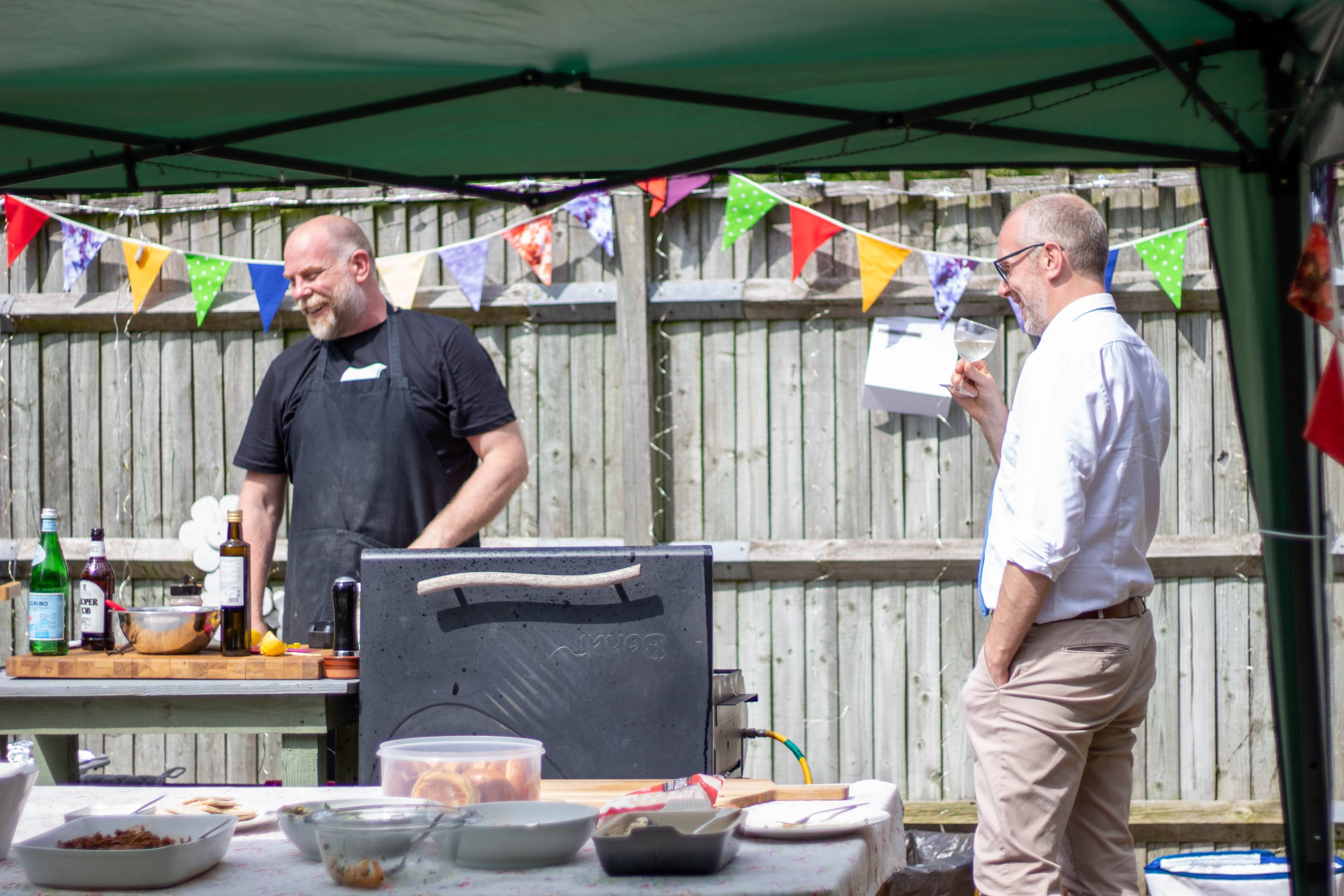
Last month it was my parents’ 50th wedding anniversary. We had a family get-together in their beautiful garden; my brother supplied the booze and Polly and I did the catering. It was great fun and, even if I say so myself, the food turned out brilliantly.
As I was cooking, I got a couple of questions along the lines of “how do you know how to do **gesturing at piles of meat, plates and grills** this?”. Which got me thinking about where I started and how I got to where I am now. It is not that long ago where a BBQ for Polly and I was a disposable foil one, perched on some bricks in the back yard cooking chicken kebabs, sausages and burgers; all fine and easy to do but there are definite improvements to be made. It was really getting the Big Green Egg that kicked off a real deep interest for me and I have learned so much since then.
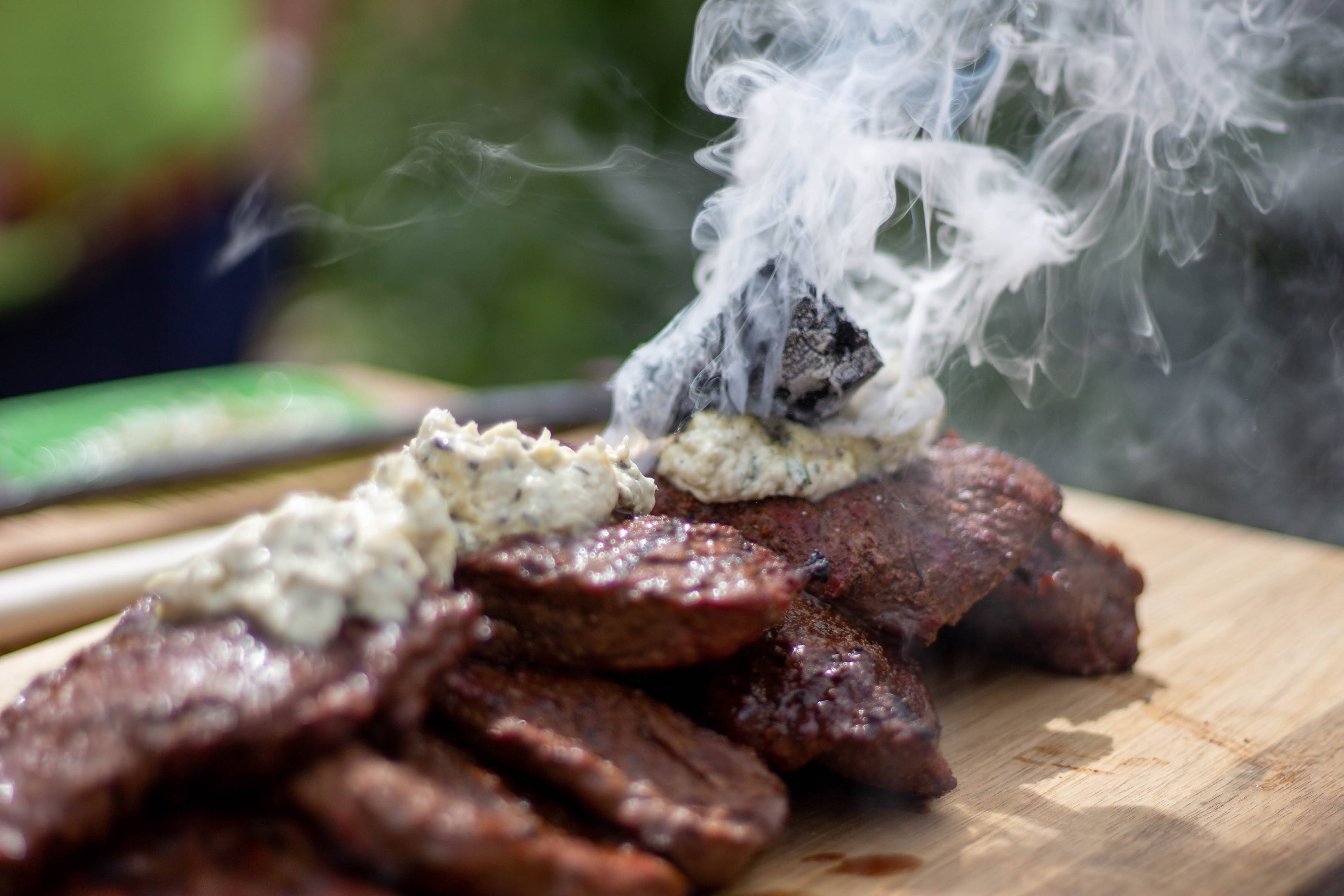
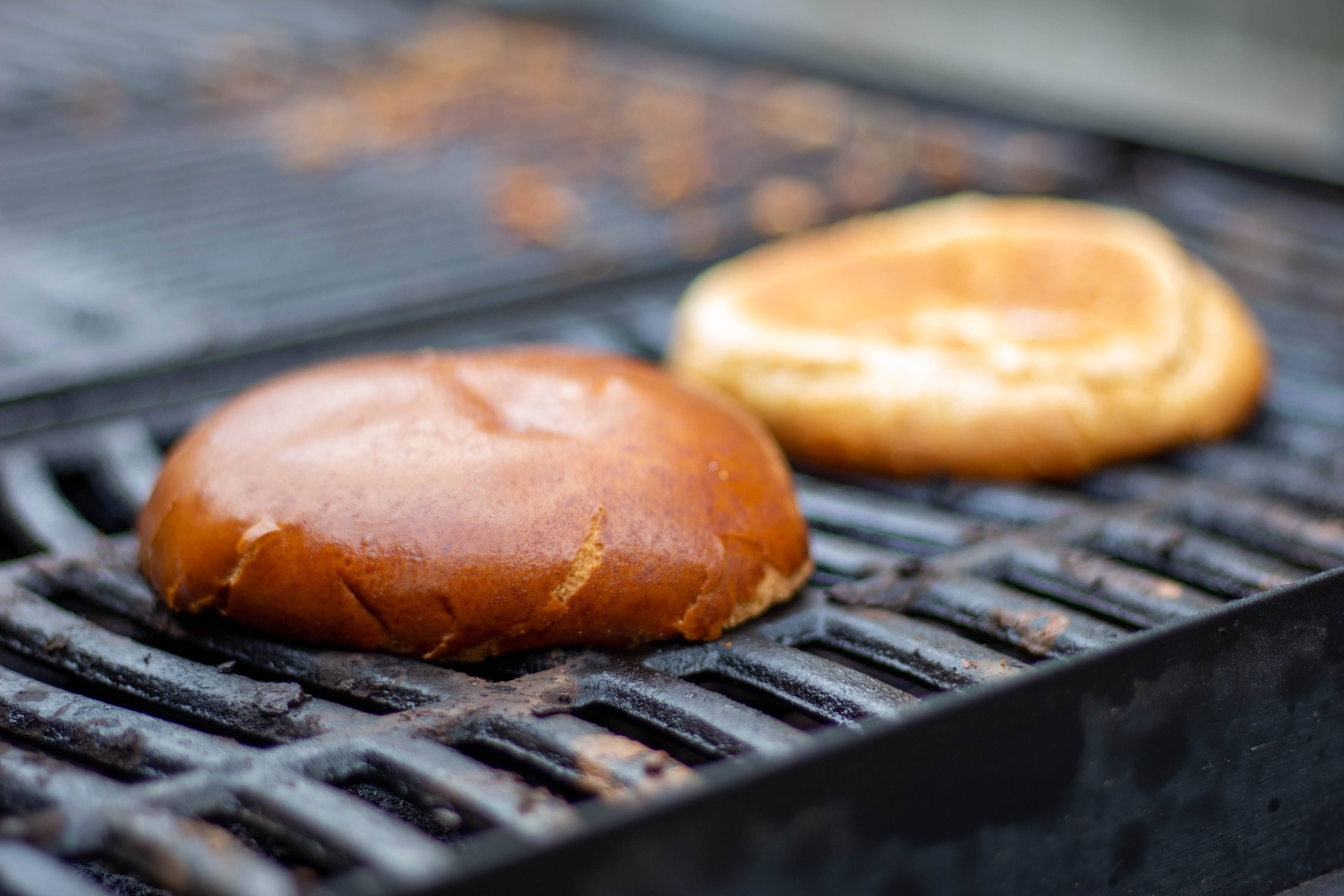
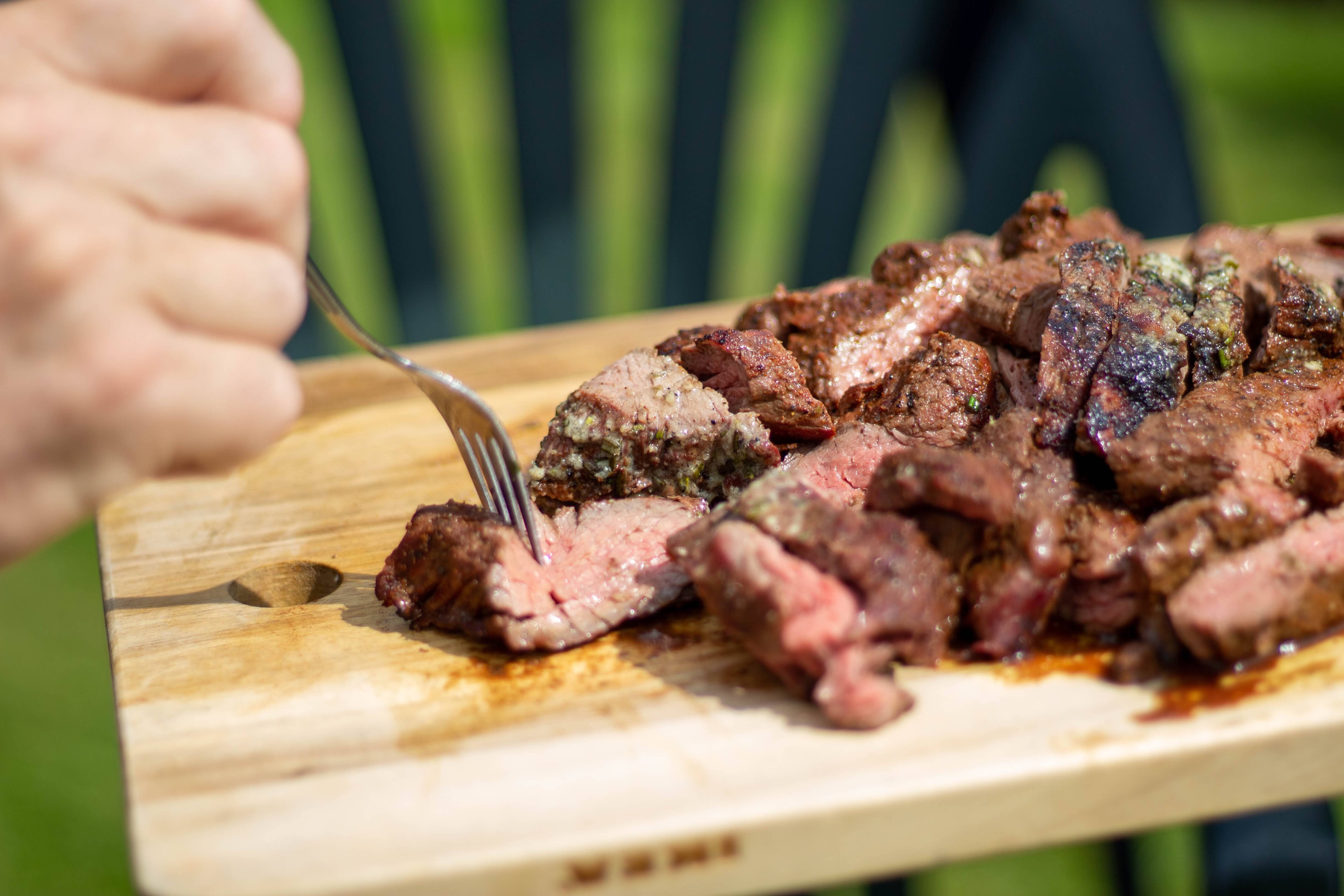
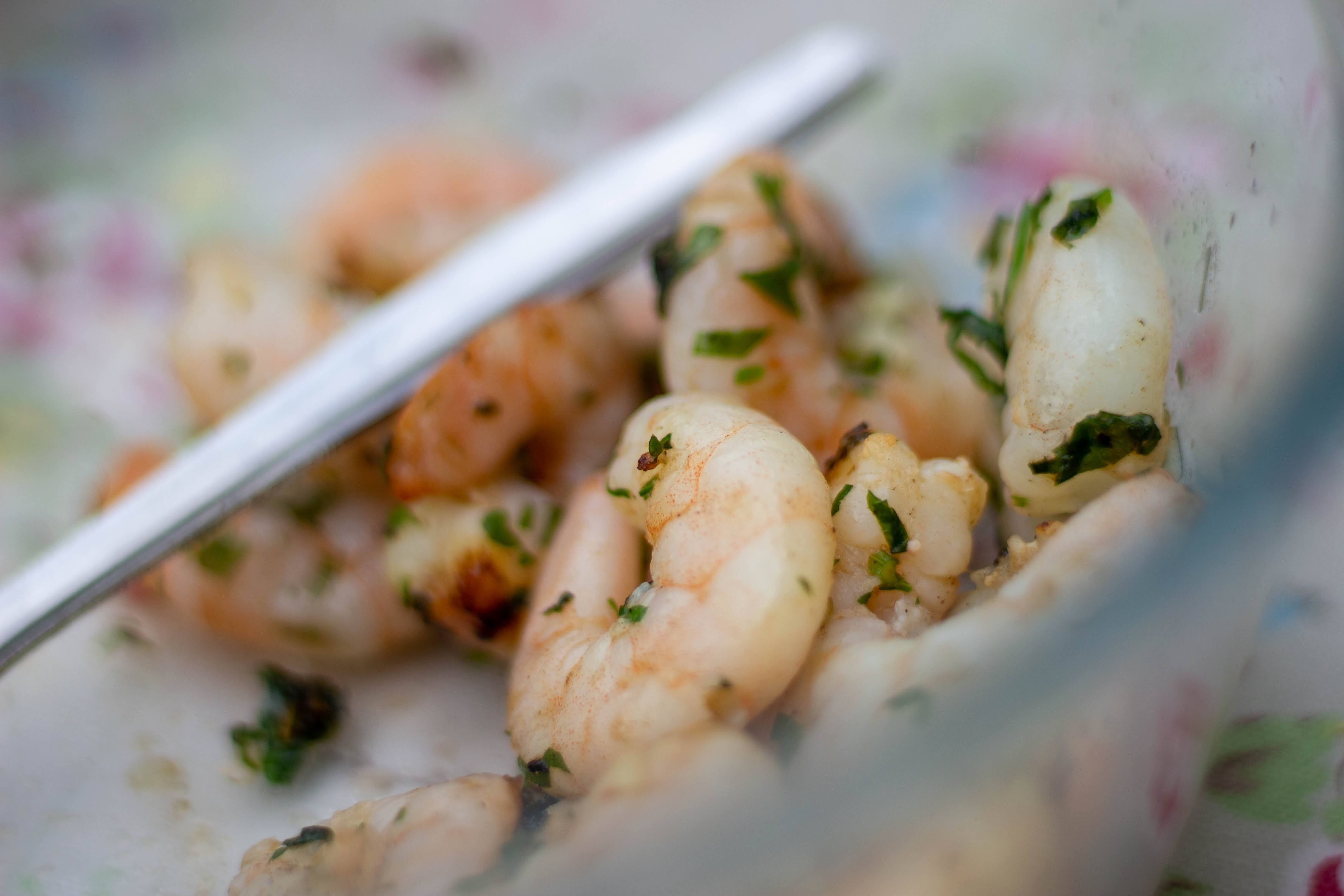
The purpose of this post really is to help people get started and get delicious results. It can be demoralising when a cook does not turn out how you planned – I have made plenty of mistakes and so what follows might hopefully help you to avoid doing the same things. In my mind, there are 3 essential components of good live fire cooking:
- Good recipes and ingredients
- Good equipment
- The right Temperatures
Recipes
Recipes and ideas are easy to come by – get online and get searching. There are plenty of brilliant live fire cooks with YouTube channels and Instagram accounts, but start with Devon-based Marcus Bawden (@countrywoodsmoke) and you will not go far wrong. Another guy with an amazing YouTube channel is Tom Jackson (@cheftomjackson) from the USA. I’ve also got a few books by chaps like Francis Mallman, Niklas Eksted and Richard Turner which are all brilliant, but the one I go back to time again is “Grillstock; The BBQ Book” by Jon Finch and Ben Merrington. Although they are two Brits, the recipes and philosophy is based on BBQ from the Deep South of the USA. More importantly, every time I have followed a recipe it has worked, and this does instil confidence. I often adapt recipes from “normal” cookbooks – anything designed to be cooked in an oven can be cooked in a Big Green Egg. The Lamb Raan I have posted about before is a great example of this
I do not plan to get too preachy about the produce you buy for your cooks, but I do know that buying better quality meat does improve the finished dish no end and I would encourage people wanting to get into live fire cooking to find a good butcher. If, like us, you do not have a great one on the local high-street, the advent of online butchers has been brilliant and you will not go wrong with Philip Warren, based in Cornwall. Everything we have had from them is excellent (it is possible I might one day turn into a black pudding, so many have we ordered from them) and the produce arrives beautifully packed and chilled. You can request joints to be trimmed a certain way and once you have placed your order, they will engage in a Whatsapp conversation to double check. They are great.
Equipment
The problem with equipment is that the more you look, the more there is and the bigger the hole in your wallet gets. You will need to make your own decisions depending on both your bank balance and whether you are seeing cooking with live fire as a fun change from the norm or essentially a lifestyle choice. There are a seemingly infinite number of different products you can use; gas grills, kettle BBQs, Kamados, drum smokers, pellet smokers, pizza ovens and so on. I would say if you are graduating from the disposable foil option and wanted something to get on to the next level look at a Kettle BBQ. These burn charcoal, have a lid and vents to help you control the temperature of the fire and can be set up to grill or to cook low and slow. You can get a pretty good one for £60-80. With any luck you have a place within a decent drive from your house that has a good range that you can go and look at and get your hands on. Talk to the staff about what you want to do and hopefully they will point you in the right direction.
Good BBQ/Kitchen tongs are really useful for moving things about on the grill and so are heat-resistant mitts. Things do get hot and you do really want to be able to finish off a cook with all the skin on your hands that started with.
I would say the only other thing that could be classed as a “need” rather than a “want” is a decent meat thermometer. No-one wants overcooked steak or undercooked chicken and using a thermometer is really the only accurate way of doing this. They fall into 2 broad categories; the first is “instant read” where you push the probe into your meat, and it tells you the temperature. These are ideal when you are grilling. The second kind has probes which are left in the meat whilst it cooks and the temperature is displayed constantly on a unit which sits outside your BBQ which come into their own when you are doing those long, slow cooks. If you are looking for brand names, ThermaPen, Inkbird and Meater are all pretty good.
Temperatures
If you are cooking with wood and/or charcoal, you need to be in control of both the heat of the fire and the temperature of whatever you are cooking. Each type of grill will have its own way of setting a good, consistent temperature and certainly any time you spend in experimenting with vent settings and the quantity of charcoal you add will be worth it. Decent charcoal is important – pretty much anything by Big K will be good, but there are lots of British charcoal producers around. Like the meat, they will cost a bit more but are more likely to be produced in a sustainable way. Some types burn hotter than others; briquettes do kick out a lot of heat when compared to lump-wood charcoal. I tend to use the latter, but for no other reason than that was what was recommended when I bought the Egg.
For the food itself, you will see lots of advice to “cook to temperature, not to time” and I fully endorse this. THIS PAGE on Heston Blumenthal’s website is a good reference for the target temperatures for different meats and fish. in both Celsius and Fahrenheit which is useful since practically all American recipes use the old imperial units. There is an important point at the bottom of that page which reminds us that even when you take, say, a steak off the heat, its internal temperature will carry on going up by 4 or 5°c which means you need to remove it from the fire that much below the target temperature you want. There’s no need to fully ignore any cooking times given in your recipes – if you use them as a guide you can adjust as necessary. It is important to think ahead and work your timings out based on the time you hope to eat. Sometimes things just don’t cook as quickly as you thought, or are done in a flash so it is important to stay as flexible as Mrs Incredible.
Above all, have fun and enjoy the creativity of what you are doing. Personally, I love cooking for other people but if that’s not really your thing, do not let that stop you from lighting the coals and putting some produce on them. Start simple – sausages, chicken thighs, burgers to practice grilling (aim for about 250°c and above). If you want to explore the glorious world of low and slow (around 125-150°c), get a pork or lamb shoulder which are economical and resilient (i.e., it’s quite difficult to cock up the cooking of them).
Don’t forget I have Instagram (@livefirejournal) so take some pictures and share them with me. I’m feeling up for a bit of interaction, rather than just hunger-scrolling through pictures of enormous Argentine Asados, so ask questions and seek advice; I’m happy to help where I can.
Photos all courtesy of @Jake.Price_
 Live Fire Journal
Had my Big Green Egg for a couple of months now after your kind invite and fabulous food, just had to get one
we have had some delicious meals and not too many mistakes , Got to grips with heat and timing I do tend to smell of it afterwards so the washing machine is more active these days, Thanks again Best wishes Mac n Joyce
LikeLike